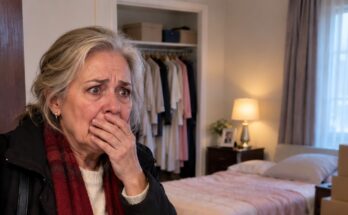
At 3:07 a.m., exhausted after a brutal double shift in the cardiac unit, I was standing at the Charlotte nurses’ station when my phone buzzed beneath a stack of patient charts. My father had tagged me in the family group chat, boldly announcing that twenty relatives were commandeering my Lake Norman house for a five-day weekend, instructing everyone to bring towels and ordering me to get everything ready. My mother chimed in demanding stocked groceries and fresh flowers for Aunt Liora, followed by cousins and siblings celebrating that the place was finally getting some “real family energy.”
When someone asked if the Wi-Fi password was the same, I froze. I was thirty-six, the sole owner who had scrimped, saved, and worked grueling overtime for nine years to buy that private sanctuary entirely on my own. I replied with a single word—”No.”—only to be mocked by my parents with laughing emojis and dismissive reminders that they were family and I couldn’t stop them.
Scrolling backward through the group chat in disbelief, my stomach dropped when I unearthed a message from Memorial Day where my mother had explicitly told forty-three relatives, “We’re at Arden’s lake house. She doesn’t know, so nobody post anything yet.” All the strange occurrences over the past months—cousins knowing the layout of my guest room, my mother commenting on the deck furniture—snapped into horrifying clarity: they had used an old emergency key to hold secret vacations in my home while I was at work. Instead of arguing in the group chat, I drove home when my shift ended and immediately took action. I consulted a property attorney, Priya Anand, who confirmed my absolute sole legal ownership, changed every lock, upgraded the security system, and hired a professional property manager to physically guard the premises on Friday morning.
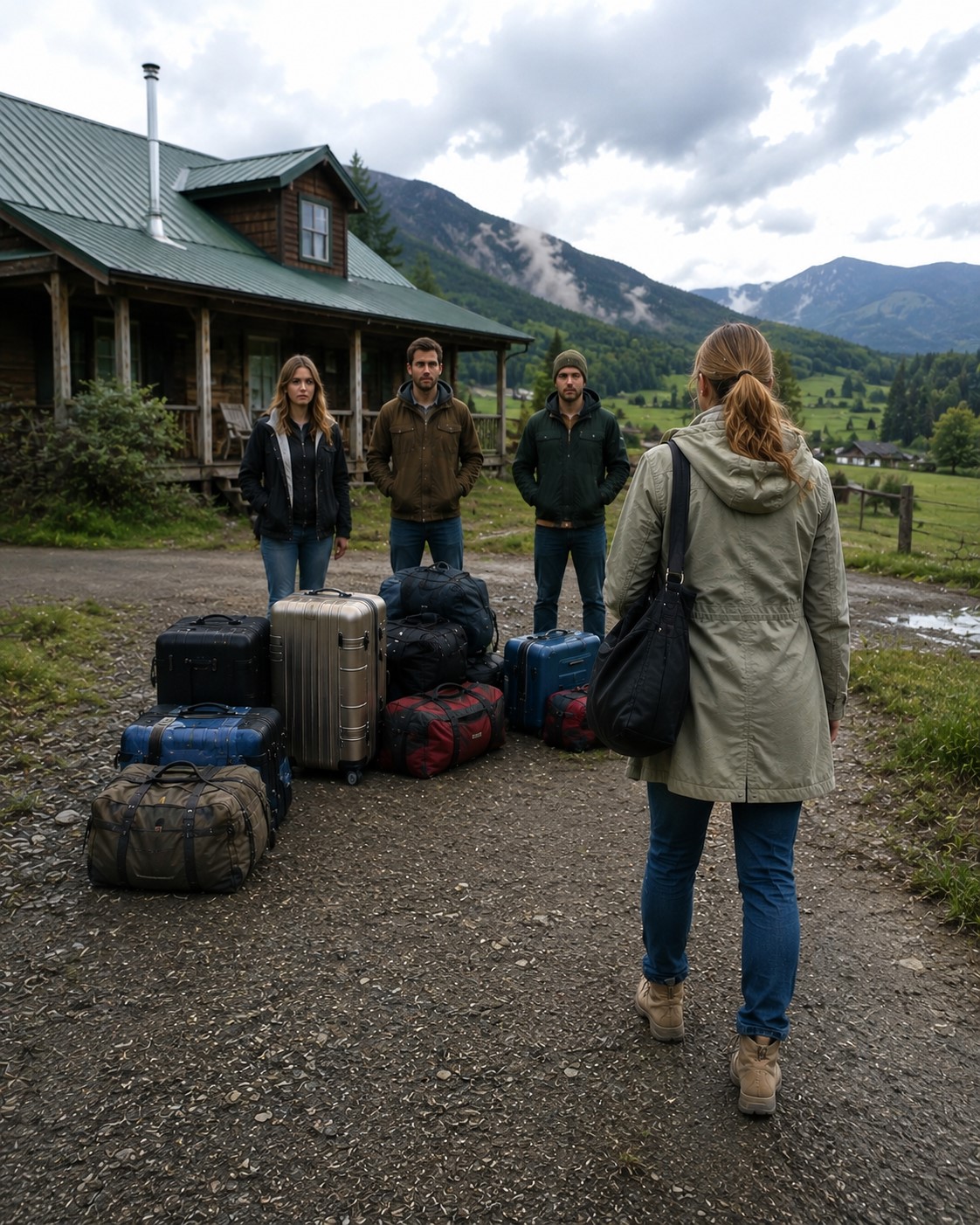
At 8:11 on Friday morning, my father called in a furious rage, shouting over the background noise of slamming car doors, dragging luggage, and crying relatives stranded in my driveway because their copied key didn’t work. His bluster abruptly died when my property manager stepped onto the porch, folder in hand, to calmly bar their entry. The folder held undeniable proof: screenshots of their deceitful Memorial Day chat, security logs, photographic records of their previous unauthorized entry, and the verified deed establishing that nobody would step inside without my express permission. When my parents accused me of humiliating them and demanded I let twenty people in, I told them flatly that their lack of accommodations was not my emergency to solve. Defeated and stripped of their arrogant entitlement, the relatives loaded their luggage back into their cars and drove away.
Later that day, I posted the receipts in the family chat with zero editorializing, forcing everyone to finally confront the truth of what my parents had orchestrated. The fallout forced real accountability: aunts and cousins apologized for their assumptions, my mother admitted she had crossed a line, and weeks later, my father finally apologized for screaming at me. Months afterward, I invited just four family members for a weekend under strict, explicit terms, including a temporary entry code that expired at check-out. They arrived respectful, bringing their own flowers and treading lightly, having finally learned that my generosity was not blanket permission. Standing on the dock at sunset, I realized that drawing a hard boundary hadn’t made me selfish—it had permanently reclaimed the peace and autonomy I had spent nine years earning.